
Among this year’s Research Schools Network Clips from the Classroom videos are several clips exploring how teachers gather evidence from all pupils during lessons and adapt their teaching accordingly.
Checking pupils’ understanding systematically
East London Research School
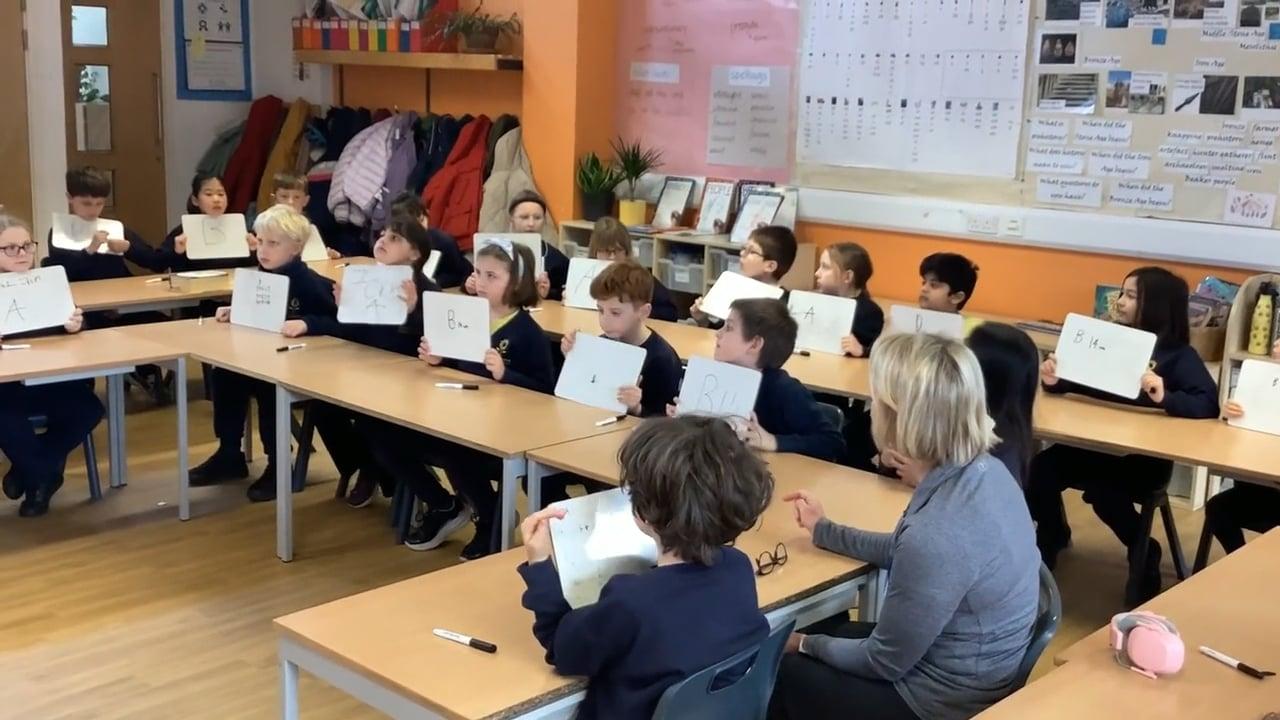
This clip explores how teachers:
- gather responses from all pupils, not just volunteers
- use checking routines to identify misconceptions
- decide when to reteach before moving on
As the clip explains:
“Without that feedback loop, more learning is left to chance.”
Check. Adapt: Using diagnostic questions to identify and address misconceptions
Alexandra Park Research School
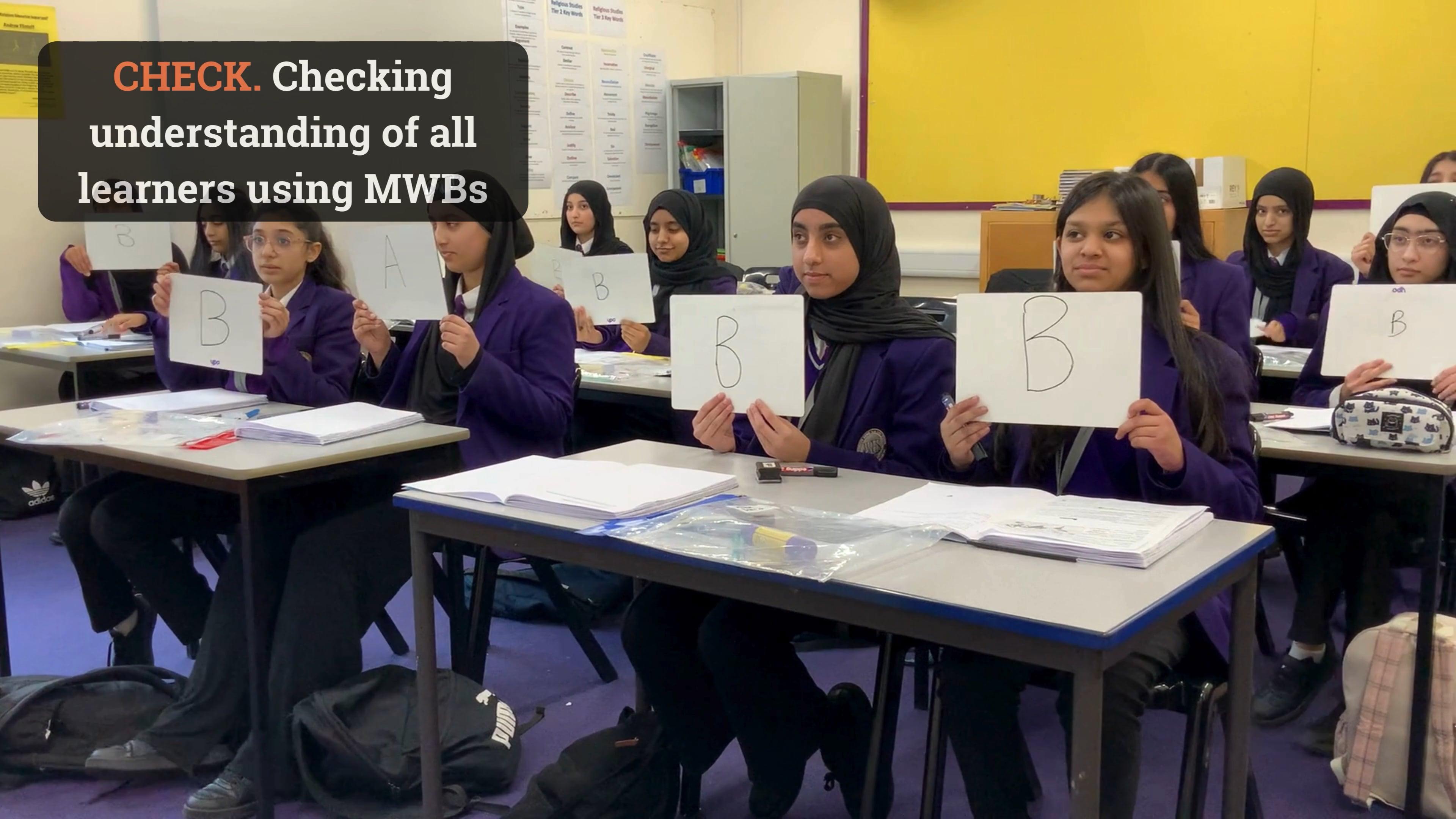
Whalley Range High School demonstrates how diagnostic questions can reveal patterns in pupils’ thinking. When pupils confuse weathering and erosion, the teacher:
- spots misconceptions quickly using mini whiteboards
- pauses and fixes understanding through a reteach
- adapts her explanation using a different analogy before checking understanding again
The clip illustrates a “pause and fix” response from the Check. Adapt tool, where the teacher addresses a misconception before pupils move on to new learning.
Adaptive teaching in mathematics
Blackpool Research School
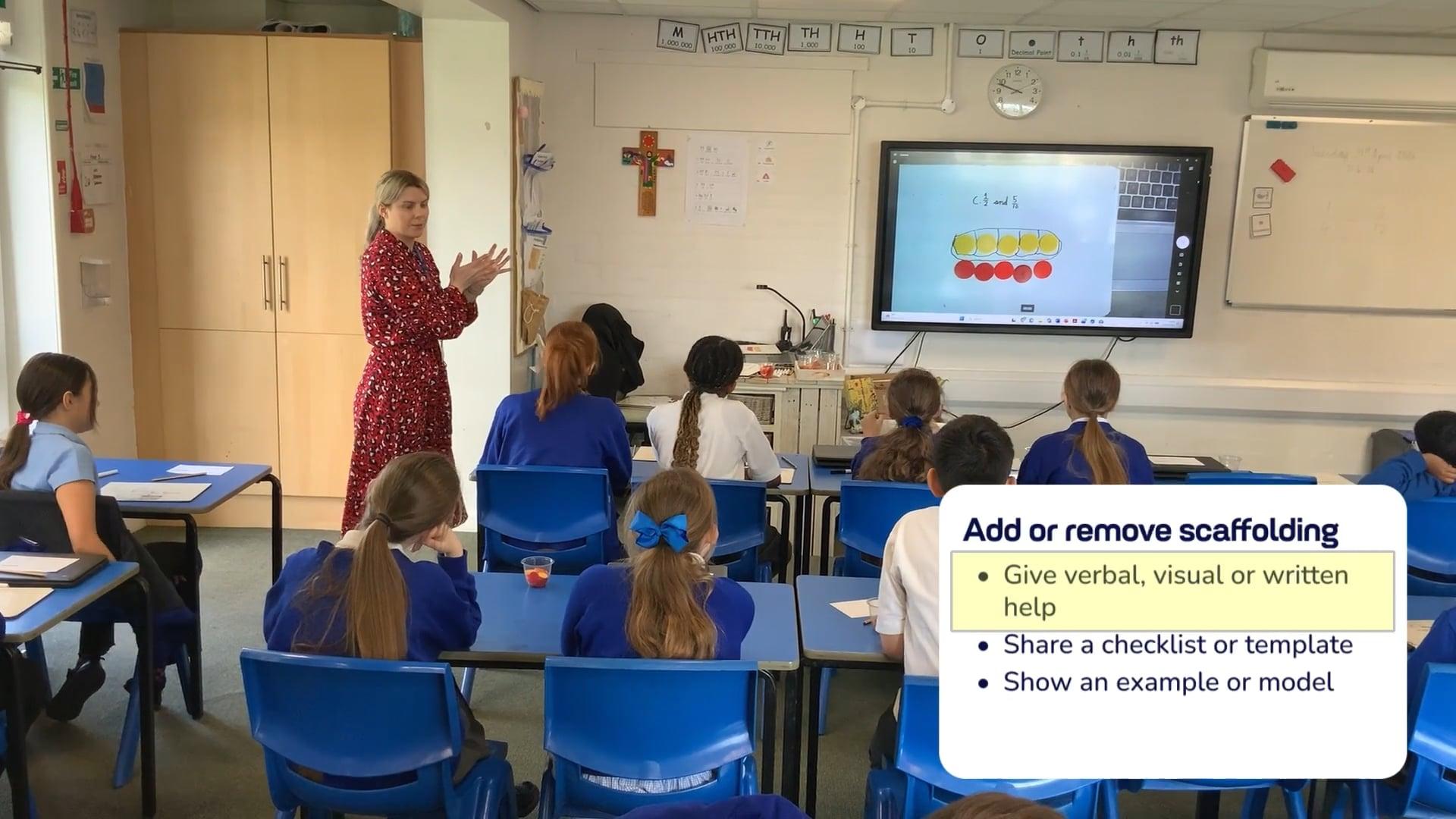
In this Year 5 maths lesson at St. Cuthbert’s Catholic Academy, checking for understanding helps the teacher decide how best to respond to emerging misconceptions and uncertainty during the lesson. The clip shows how teachers can:
- use manipulativesobjects that educators and children can move and interact with to represent mathematical ideas (including fingers, everyday objects, such as buttons or pine cones, and mathematical resources such as Numicon, Cuisenaire rods). and modelling to respond to pupils’ understanding
- respond flexibly with additional support or challenge
- maintain high expectations while adapting teaching in the moment
As Simon Cox explains:
“If we take time to check, we should make time to adapt.”
Creating a positive climate for feedback
Bradford Research School
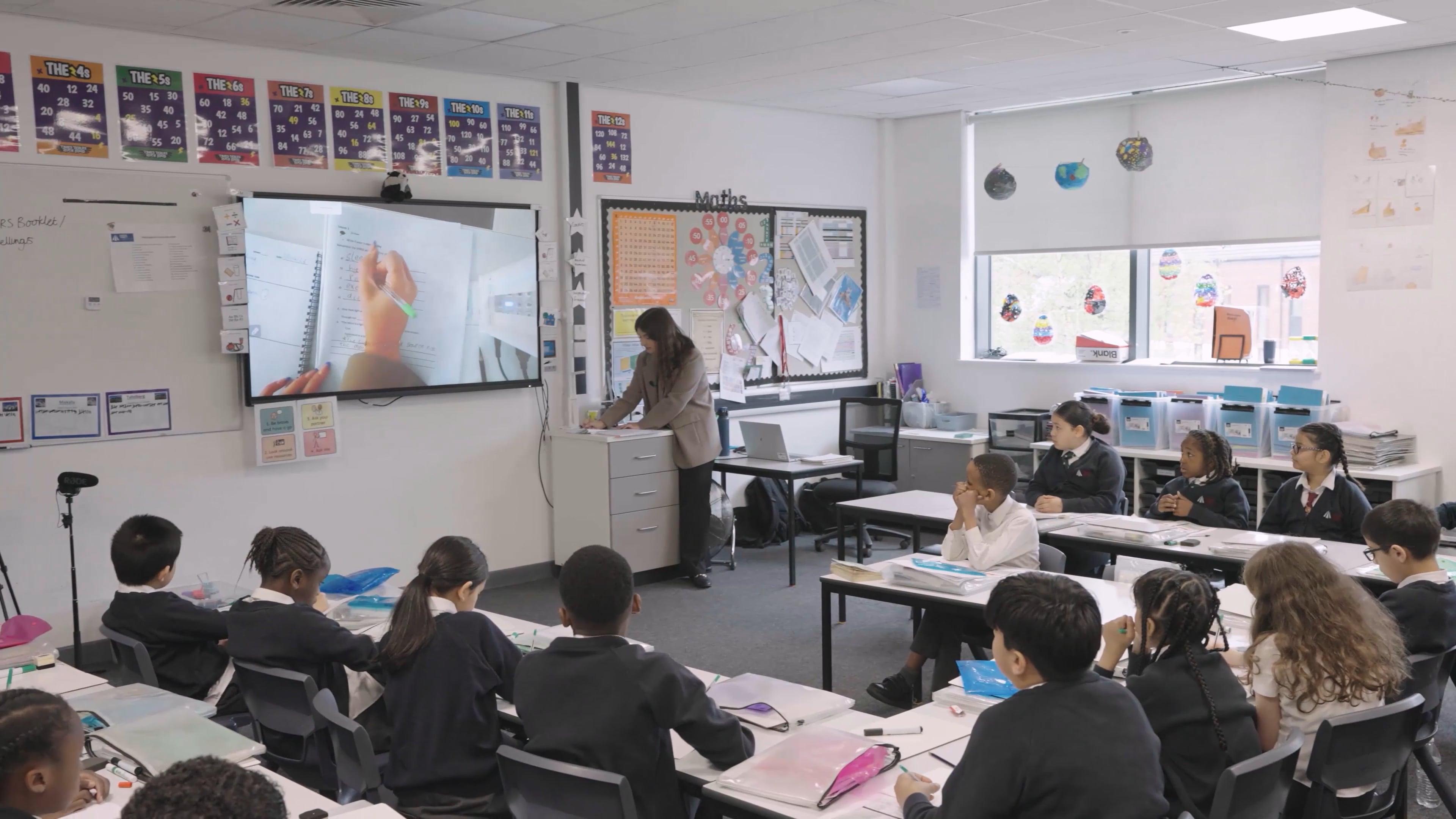
Feedback from pupils to teachers only works when pupils are willing to reveal what they really think. This clip explores the importance of:
- trust between pupils and teachers
- making mistakes safe to share
- managing motivation and confidence
- reducing working memory demands during feedback
This is especially important for disadvantaged pupils, as strong feedback loops help address misconceptions before learning gaps grow.
Taken together, these clips are not templates to copy. They are examples that help make professional decision-making visible.
Supporting Professional Development
These clips are not templates to copy. They are examples that help make professional decision-making visible.
The EEF’s Check. Adapt. tool and accompanying blogs explore how teachers use what pupils show to decide what to do next.
Used thoughtfully, these clips may support professional discussion about responsive classroom decision-making. The EEF’s Effective Professional Development guidance highlights the importance of modelling, feedback, rehearsal, and reflection in strengthening classroom practice.
Ultimately, effective checking for understanding is not about collecting answers. It is about shaping what happens next in response to pupils’ thinking.